
For Immediate Release · Gloucester MA, USA — July 22, 2026
The global healthcare architecture is undergoing its most radical transformation in a generation. Driven by rapid advances in artificial intelligence, cloud-native clinical infrastructure, precision medicine, and decentralized care models, the Medical Health Technology sector has evolved from a niche vertical into the cornerstone of modern medicine. However, this explosive expansion has created a double-edged sword: unprecedented technological capability accompanied by profound operational noise and market fragmentation.
For hospital administrators, venture capitalists, health system procurement teams, and technology founders across the United States, finding verified, actionable intelligence on viable solution providers has become an increasingly complex operational challenge. To address this structural gap, Computer Review has released its comprehensive digital intelligence resource: the Medical Health Technology ebook directory. Engineered as an automated, globally updated repository, this publication provides decision-makers with the market clarity required to navigate the modern healthcare technology landscape.
"As clinical environments digitize at exponential rates, the bottleneck is no longer a lack of software—it is the inability to locate, evaluate, and integrate the right platforms amidst an overwhelming vendor landscape."
Industry Analysis: The Shift Toward Continuous, Data-Driven Care
The United States healthcare system is actively transitioning from episodic, hospital-centric care delivery to a model characterized by continuous, predictive, and patient-centered intervention. This systemic shift is being accelerated by several converging macro-trends:
- Clinical AI and Ambient Intelligence: Machine learning models are moving beyond basic administrative automation into ambient clinical documentation, radiology triage, and real-time clinical decision support systems (CDSS).
- Value-Based Care Mandates: Regulatory and reimbursement shifts toward value-based outcomes require health networks to deploy robust Remote Patient Monitoring (RPM) and population health software platforms.
- Interoperability Infrastructure: The widespread adoption of HL7 FHIR (Fast Healthcare Interoperability Resources) standards is forcing legacy electronic health record (EHR) vendors to open their ecosystems to specialized third-party digital health applications.
- Capital Discipline: Following years of unrestrained capital deployment, healthcare investors now prioritize sustainable software economics, rigorous clinical validation, and clear pathways to enterprise procurement over speculative consumer health apps.
For businesses operating in the Medical Health Technology space, adapting to this environment requires more than innovative code—it demands strategic visibility, clear market positioning, and established enterprise partnerships.
The Market Challenge: The Cost of Fragmented Market Intelligence
Despite the availability of digital health tools, enterprise adoption remains bottlenecked by information asymmetry. Healthcare procurement cycles in the U.S. regularly span 12 to 18 months, largely due to the friction involved in discovering, vetting, and auditing emerging vendor options.
[ Market Fragmentation ] ──> [ Protracted Vetting ] ──> [ Delayed Enterprise Procurement ] Decision-makers face systematic hurdles across multiple fronts:
- Overwhelming Vendor Saturation: Thousands of specialized digital health startups enter the market annually, making competitive landscape mapping resource-intensive for strategy and procurement teams.
- Unverified Capabilities: Distinguishing between enterprise-ready platforms with HIPAA compliance, SOC 2 certification, and proven EHR integration versus early-stage concepts is notoriously difficult without centralized data.
- Capital Allocation Bottlenecks: Investors and corporate venture arms struggle to identify high-potential targets outside of heavily publicized tech hubs, overlooking key innovators in regional research centers.
- Inconsistent Market Standards: The absence of standardized tech taxonomy makes direct, apples-to-apples comparisons between software vendors and service providers complex and prone to oversight.
Without a centralized, structured database, healthcare leadership risks misallocating capital, delaying digital transformation mandates, or selecting platforms that fail to scale within complex clinical workflows.
Introducing the Medical Health Technology Ebook Directory
To solve the intelligence discovery problem, Computer Review developed the Medical Health Technology digital directory. Designed as an evolving market intelligence platform, this ebook synthesizes global sector data into an accessible, actionable format.

Unlike static industry reports that become obsolete upon publication, the directory leverages an automated directory database structure to ensure that listings reflect the current operational state of the global health technology market.
Core Features & Included Resources
- Global Ecosystem Coverage: Comprehensive listings spanning health software vendors, medical device manufacturers, clinical AI developers, health-tech consultancies, investors, and regulatory service providers.
- Categorized Taxonomy: Granular categorization allowing users to instantly filter by technology layer (e.g., Telehealth Infrastructure, EHR Middleware, Predictive Analytics, Cyber Health Security).
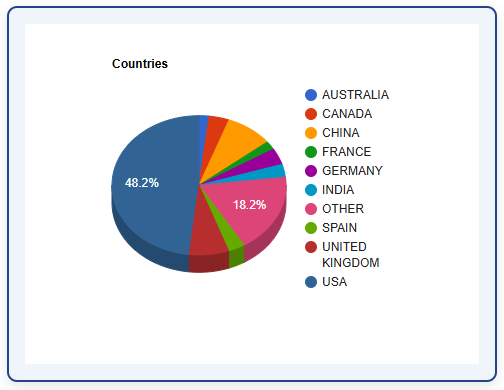
- Free Interactive Tech Chart: An included visual technology classification framework that maps hardware, software, and service verticals for fast competitive analysis and technical benchmarking.
- Direct Contact Vectors: Verified business intelligence contact details designed to streamline corporate development, B2B sales outreach, and investment research.
Strategic Value Across the Healthcare Enterprise
The Medical Health Technology directory by Computer Review serves as a strategic accelerator across every major tier of the healthcare technology ecosystem:
| Target Audience | Strategic Application & Business Value |
|---|---|
| Enterprise Procurement Teams | Shortens vendor selection cycles by offering a pre-categorized index of software providers and hardware manufacturers with verified capabilities. |
| Startups & Founders | Identifies potential integration partners, co-development opportunities, specialized investors, and enterprise service providers to accelerate market go-to-market execution. |
| Investors & VC Firms | Enhances deal-flow origination and competitive benchmarking by revealing emerging players outside traditional investment hubs. |
| Health Systems & Clinicians | Streamlines technology discovery for specialty-specific digital tools, from remote monitoring devices to ambient AI documentation tools. |
| Researchers & Academia | Facilitates commercialization pathways by bridging university research initiatives with corporate licensing partners and funding sources. |
Three Strategic Pivot Points for Health Tech Organizations
To thrive in today's digital health market, companies must look beyond basic software features and execute targeted strategic maneuvers. Based on market data aggregated within the directory, Computer Review highlights three critical pivot points for organizations operating in the Medical Health Technology sector:
Pivot Point 1: Transitioning from Point Solutions to Workflow-Integrated AI
- The Opportunity: Single-function health applications are experiencing high churn as health systems seek to consolidate vendor contracts.
- Strategic Insight: Health systems are actively terminating isolated applications that require separate clinician logins. The market demands "invisible software"—tools that integrate directly into the existing EHR interface via SMART on FHIR protocols.
- Practical Implications: Software vendors must pivot from building standalone applications to engineering API-first engines that embed continuous predictive insights directly into physician charts without breaking existing clinical workflows.
Pivot Point 2: Scaling Decentralized Care through Interoperable RPM Ecosystems
- The Opportunity: While Remote Patient Monitoring (RPM) adoption has grown, data silos prevent clinicians from managing continuous streams of bio-metric information effectively.
- Strategic Insight: The next wave of value creation belongs to platforms that can aggregate disparate wearable and medical device feeds into a single actionable dashboard backed by automated alert-triage algorithms.
- Practical Implications: Hardware and software developers must prioritize open API frameworks and zero-trust data exchange models, enabling disparate remote devices to feed unified clinical data pipelines seamlessly.
Pivot Point 3: Operationalizing Zero-Trust Cybersecurity as a Core Value Proposition
- The Opportunity: Healthcare remains the single most targeted industry for ransomware and data breaches, elevating cybersecurity from an IT issue to a core board-level priority.
- Strategic Insight: Enterprise buyers increasingly reject vendors with lengthy security audits or ambiguous data compliance protocols. Security is no longer an administrative checklist item; it is a primary sales differentiator.
- Practical Implications: Technology vendors must embed zero-trust network architecture, end-to-end encryption, and automated compliance tracking directly into their marketing and technical architecture to drastically compress corporate sales cycles.
The 3-5 Year Horizon: The Future of Medical Health Technology
Looking ahead, the convergence of deep learning, edge computing, and biological data will continue to redefine healthcare delivery across the United States and globally.
[Generative AI & Clinical Support]
│
▼ [Edge Medical IoT & RPM Systems] ──> [ Precision Medicine & Targeted Therapeutics] │
▼
[Unified Interoperable Health Ecosystems]
Over the next three to five years, market dominance will belong to platforms that successfully bridge the gap between complex technical infrastructure and simple human-centered clinical workflows.
Key forces that will shape the next decade of healthcare technology include:
- Autonomous Clinical Documentation: AI ambient listeners will become standard across inpatient and outpatient care, virtually eliminating manual medical record entry for physicians.
- Generative Bio-Informatics: AI models will significantly shorten drug discovery timelines and personalize medical treatment protocols based on real-time genetic and bio-metric analysis.
- Regulatory Automation: Software platforms that automatically adapt to changing FDA, HIPAA, and CMS reimbursement guidelines will hold a clear advantage over static software architectures.
Organizations equipped with organized, real-time market intelligence will be positioned to lead these shifts rather than react to them.
Take a look at our free tech chart showing the percentage of companies working in medical health technology globally.
Accessing Market Intelligence: Claim Your Copy
Navigating the future of digital health requires structured intelligence, verified data, and clear visibility into the global competitive landscape.
The Medical Health Technology digital directory published by Computer Review is available now, complete with the automated global listings and the complimentary technology classification chart.
To access the directory, expand your operational network, or explore corporate listing opportunities, visit the official portal: Access the Directory at www.computerreview.com
Unlocking Strategic Advantage Through Structured Knowledge
In an industry defined by continuous technological innovation and strict regulatory oversight, access to organized market data is no longer merely an advantage—it is an operational necessity. The difference between market leadership and obsolescence often lies in the speed with which an organization can identify emerging partners, evaluate technology vendors, and execute strategic alliances.
Through its dedicated publishing initiatives, Computer Review remains committed to providing the global technology community with transparent, highly structured market intelligence. By consolidating complex ecosystems into actionable digital resources, the Medical Health Technology directory empowers executives, founders, and investors to build the future of healthcare with speed, clarity, and confidence.
Explore the full collection
Browse our full collection of e-Books and our special offer, or take a look at the recent press releases about our latest ebooks.